

By: Anis Aniza Awi
PhD & MBA Alumnus, Graduate Engineering & Technological Business School, Faculty of Industrial Management, UMPSA
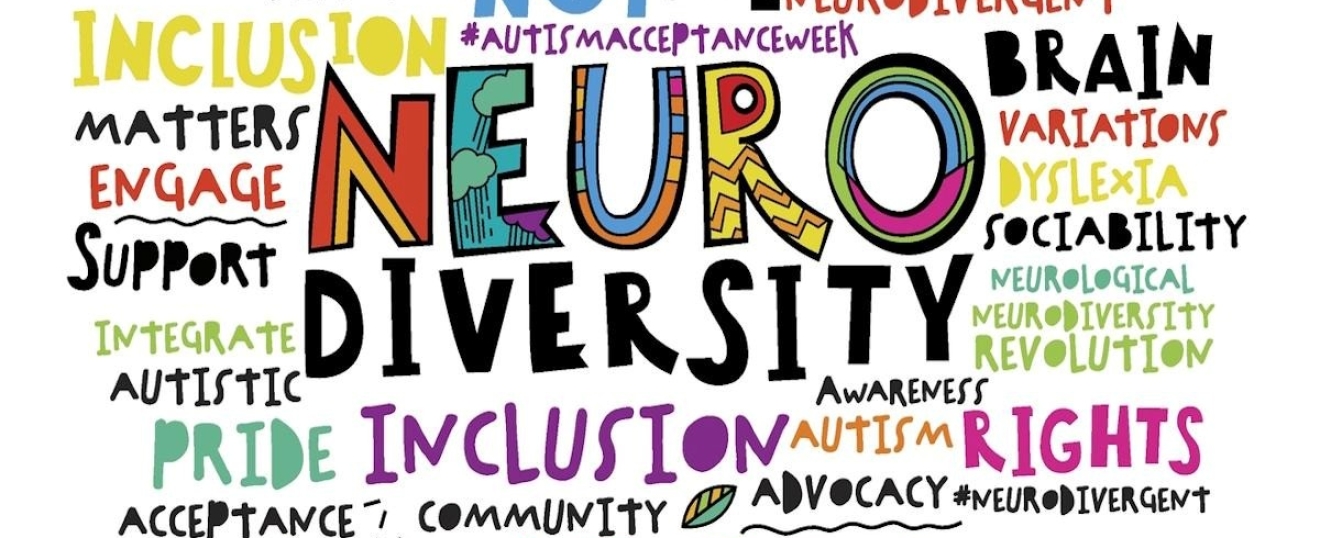
In today's discussions on diversity and inclusion, a vital dimension that is frequently overlooked in business education is neurodiversity. Neurodiversity signifies the natural differences in human brains and cognitive functioning, which include conditions such as ADHD, autism spectrum disorder (ASD), dyslexia, and other cognitive variations. These are not ‘disorders’ that need to be remedied but rather differences in how individuals think, approach problems, and engage with the world around them. This prompts the critical question: Are we equipping diverse minds for leadership positions or merely those who conform to the traditional standards?
In many business education settings, achievement continues to rely significantly on established norms, including articulate communication, rapid decision-making, active group involvement, and sequential reasoning. Although these abilities are important, they might inadvertently marginalize students whose talents are in different areas such as intense concentration, holistic thinking, recognizing patterns, or innovative problem-solving (Jeffrey et. al, 2024). Numerous neurodivergent individuals demonstrate exceptional creativity, innovation, and strategic thinking, which are precisely the attributes we seek in future leaders. Some of the most accomplished entrepreneurs and inventors globally, including Elon Musk and Richard Branson, have candidly discussed their own neurodivergent characteristics.

Source: https://gobiznext.com/empresas/vox-space-la-nueva-batalla-elon-musk-richard-branson/
However, many students with comparable profiles often feel isolated in inflexible academic settings that do not accommodate their learning preferences (Silver et. al, 2023).
In University Malaysia Pahang Al-Sultan Abdullah (UMPSA), where business education merges with technology, engineering, and innovation, we possess a distinctive opportunity and obligation, which aims to create inclusive learning environments that acknowledge neurodivergent talent. This might indicate that providing flexible assessment options that are not limited to timed exams and group presentations. Second, offering quiet work areas or alternative participation strategies for students with sensory sensitivities or social anxiety.

Thirdly, preparing lecturers to identify and support the learning needs of neurodivergent students without stigma or labels, including case studies on neurodiversity in management courses, by ensuring that future HR professionals and team leaders are equipped to support all team members effectively. In the end, this is not solely about ‘accommodating’ a handful of students.
It’s about enhancing our perception of intelligence and leadership in transitioning from standardized education models to a future where every mind can prosper. If business education is genuinely focused on equipping future leaders, we need to understand that leadership does not conform to a single shape, speed, or style. The next significant innovator might not be the most prominent voice in the room, but the one who notices what others fail to see. The future of leadership is diverse in neurology as well. It’s time our ‘mind’ reflects this reality (Sara et.al, 2023).
References
Jeffrey W. Alstete, John P. Meyer, Nicholas J. Beutell (2024); Enhancing business education: neurodiversity informed faculty development practices. Journal of International Education in Business. 17 (3): 556–572. https://doi.org/10.1108/JIEB-02-2024-0022
Silver ER, Nittrouer CL, Hebl MR (2023). Beyond the business case: Universally designing the workplace for neurodiversity and inclusion. Industrial and Organizational Psychology. 16(1):45-49. doi:10.1017/iop.2022.99
Sara J. Renzulli & Nicholas W. Gelbar (2023). The neurodiversity paradigm and the future of higher education, Chapters, in: Joseph W. Madaus & Lyman L. Dukes III (ed.), Handbook of Higher Education and Disability, chapter 15, pages 189-200, Edward Elgar Publishing.